Josie Langhorst: Diary of a Minnesota Musician, Chapter 9

This is a year-long series following Josie Langhorst, a Minnesota artist new to the Twin Cities, as she shares her experiences entering the scene and making music in a new environment.
April to mid-May 2026
Exhaustion seems to land after months of momentum gets interrupted. Josie Langhorst has been experiencing this the past month inside the Twin Cities music scene. It hasn’t been a dramatic collapse, but the quieter kind of burnout that settles into you when work schedules, medical appointments, and the creative process all begin pulling you in opposite directions.
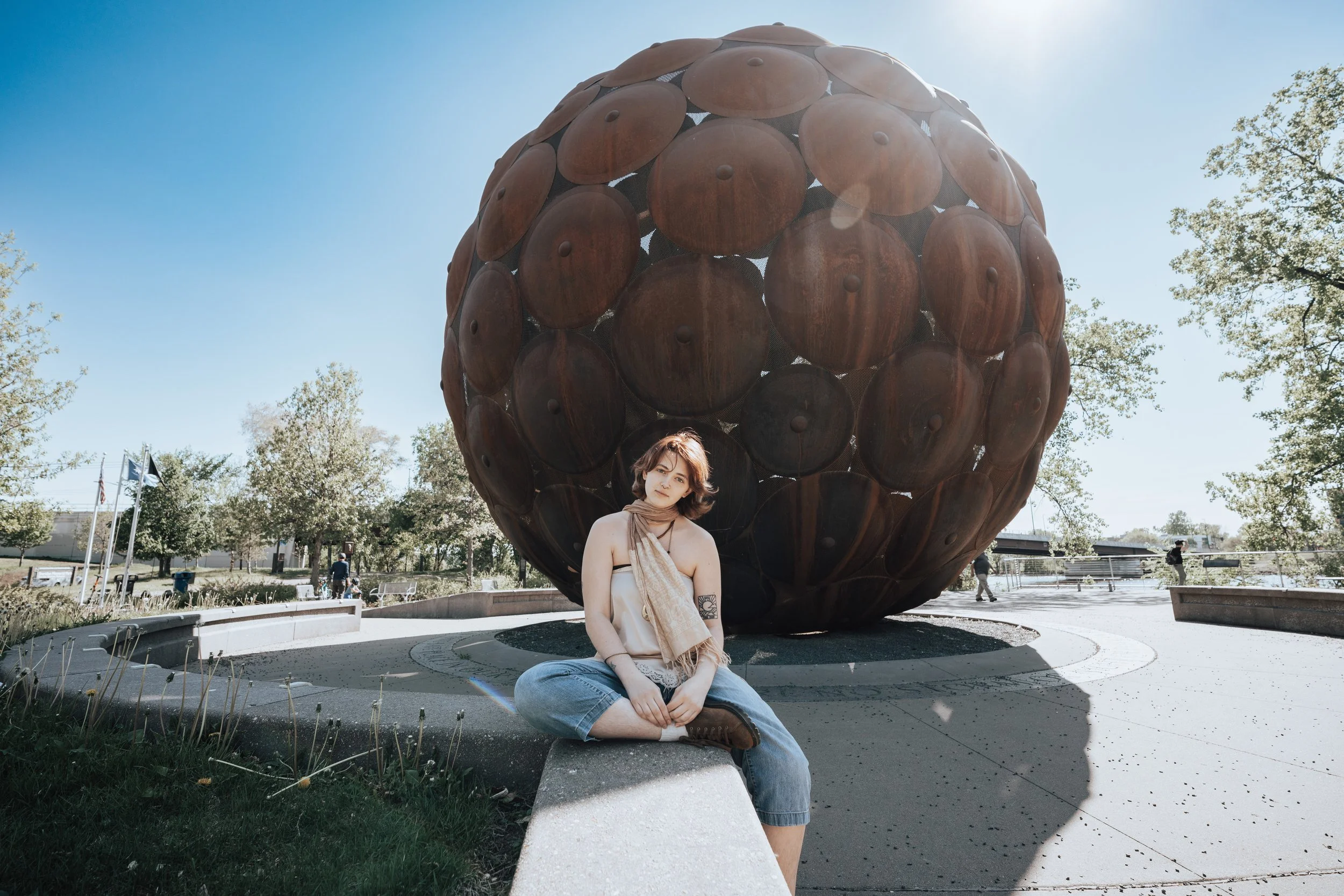
In earlier chapters of this series, Josie was searching for footing in Minneapolis after years of building herself within Duluth’s music community. There was optimism in the transition with new friendships, new collaborations, and the excitement of possibility. But this month finds her in a more reflective place, caught somewhere between frustration and rediscovery. And the Twin Cities scene keeps moving whether artists are ready for it or not.
Yet even amid the burnout, Minneapolis continues revealing itself to her in small, unexpected ways. One of the most memorable moments of the past month came through Art-A-Whirl, the sprawling Northeast Minneapolis arts festival that feels less like a single event and more like an entire neighborhood briefly transforming into an open creative ecosystem. Josie first learned about it through a coworker who insisted she had to experience it for herself.
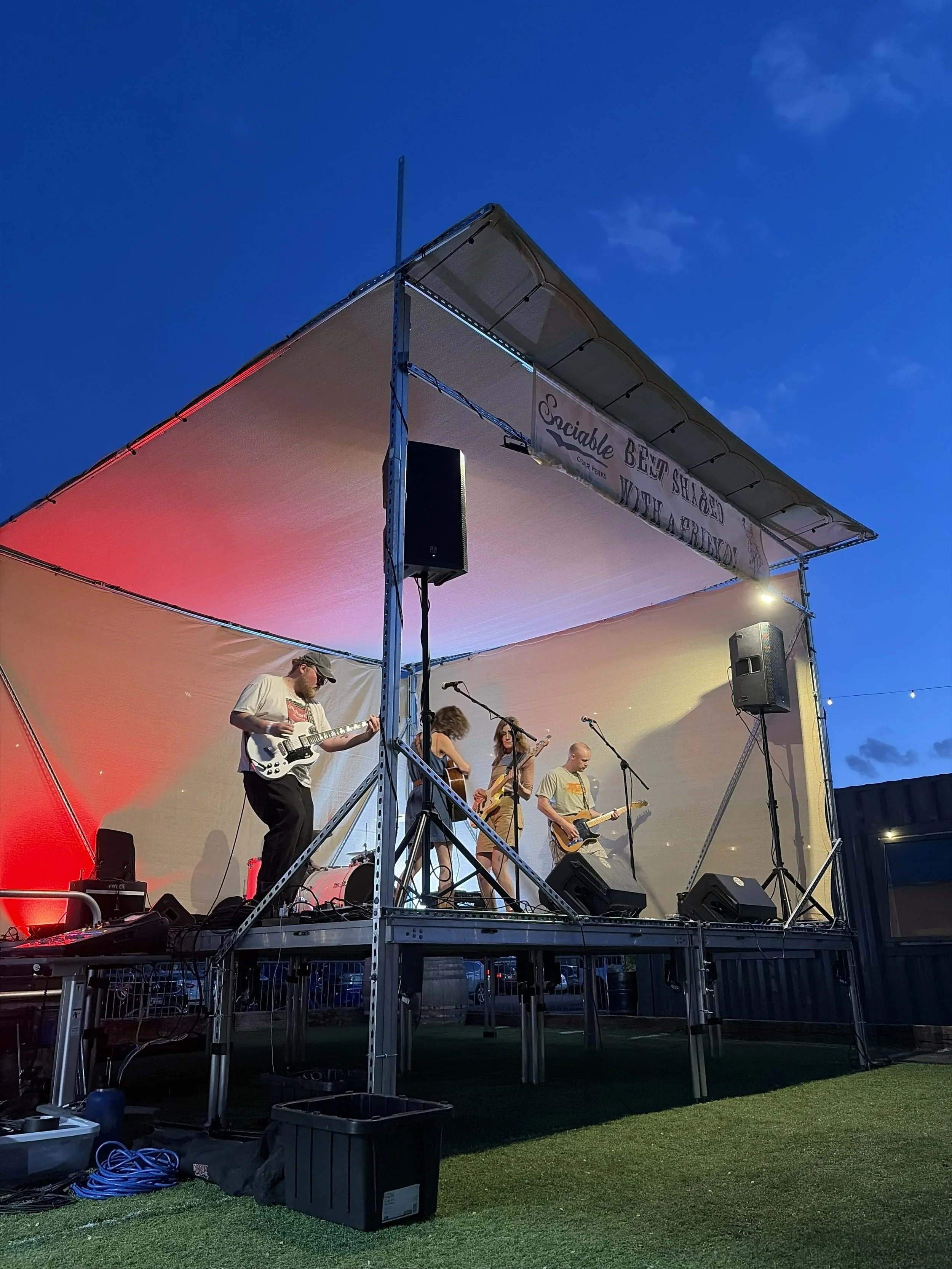
She was intrigued by descriptions of artists opening their studios, live music scattered across the neighborhood, food trucks and vendors lining the streets. Once she experienced Art-A-Whirl for herself, she quickly understood its allure. On the first night, she wandered through the festival with friends before ending up at Sociable Cider Werks to see Keep for Cheap perform. Sitting cross-legged on artificial turf beneath an outdoor stage while the band played some of her favorite songs was one of those small but magical moments that quietly define a place you’re trying to make your home.
Business vs. Art
On May 13th, just a day before the “Ice Out” protest album release show at the Turf Club —which Josie was meant to perform at—First Avenue canceled the concert. With a lineup including Molly Brandt, Sophie Hiroko, Faith Boblett, Ross Thorn, and many others, all proceeds from the evening were going to be donated to the Immigrant Law Center. According to Josie, organizers were informed that ticket sales had not reached the venue’s expectations. The show was canceled before artists even had a chance to see whether day-of attendance might have carried it across the finish line.
The disappointment lingered less because of the lost performance opportunity and more because of what the event represented. To Josie, it was supposed to be community-focused, with musicians gathering not just to perform but to raise support and bring people together. Watching business realities overpower that beneficial intention felt disheartening.
But what stayed with her the most was the reaction afterward with the group chat thread of all the artists involved in the show.
Rather than splintering apart, the artists immediately began talking about ways to continue in a different format: alternative spaces, house show options. That response revealed something important about the local scene. Even when institutional systems fail smaller artists, community often tries to rebuild itself in smaller spaces.

The tension between industry structure and grassroots support has been something running underneath almost every part of Josie’s current experience in Minneapolis. She’s beginning to understand that talent alone rarely opens doors in a major music city. Relationships do.
“I feel like you definitely got to know somebody. That’s the thing. There’s so many people and so many opportunities and so many things happening. There are cliques, I feel like, yes, but also I need to actively work on putting myself out there and meeting more people.”
Yet rather than sounding bitter about that reality, Josie speaks about it with growing self-awareness. She recognizes that part of navigation means showing up by attending events, meeting musicians, building familiarity, and slowly carving out spaces that begin to feel like home.
Back in Duluth, that place was Wussow’s Concert Cafe, a the venue where she played some of her earliest shows and spent nearly a decade growing into herself as a performer. Wussow represented more than stage time. It represented safety, consistency, and belonging. Now she’s trying to find the emotional equivalent of that space again in the Twin Cities.
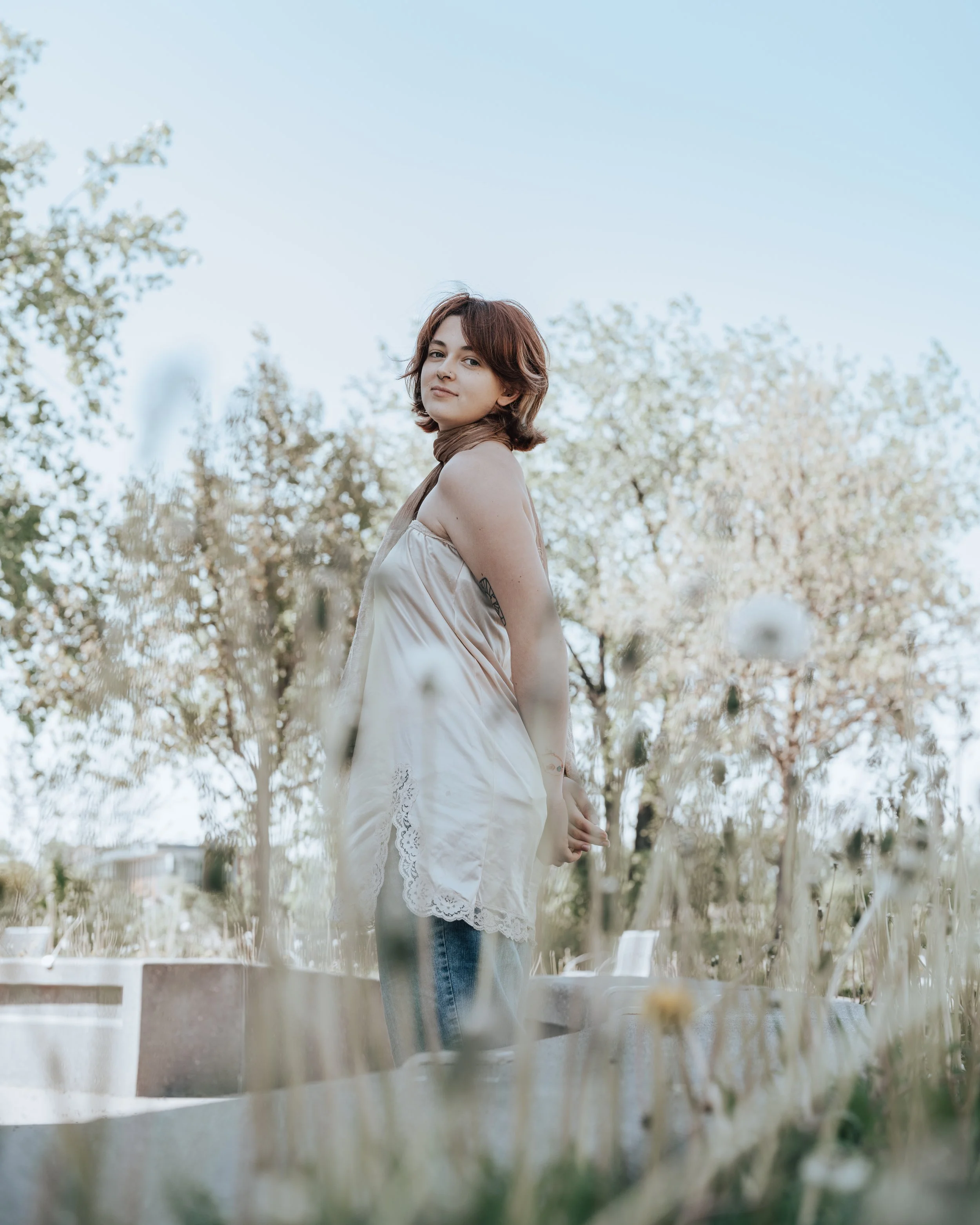
That longing says a lot about where Josie currently stands creatively. At this point in her journey, success no longer seems tied to recognition or visibility as much as it is tied to sustainability. Earlier months carried questions like: Will people notice me? Will I make it? Now the questions are different.
Creative Ebbs and Flows
Can music remain emotionally safe while adulthood becomes increasingly overwhelming? Can creativity survive burnout? Can communities still feel genuine inside scenes that often romanticize closeness while quietly operating through social circles and gatekeeping? Josie doesn’t pretend to have answers yet. But she’s becoming more comfortable admitting uncertainty.
Over the past several weeks, she describes barely touching her guitar while juggling work responsibilities and ongoing medical testing. The stress reached a point where music temporarily disappeared into the background entirely, something she’s experienced before during previous periods of burnout. What makes this time different is her awareness of the cycle.
She recognizes now that creative silence does not necessarily mean creativity is gone forever. Historically, something eventually pulls her back in, like an emotion that needs release, a collaboration that sparks excitement, or simply a sleepless night where the weight in her head becomes impossible to ignore.
That moment finally arrived again recently. Around 5 a.m., unable to sleep, Josie picked up her guitar for the first time in weeks and began writing. The song is unfinished, but the act itself mattered more than completion. It marked a return. And fittingly, that return seems deeply connected to collaboration.
A Growing Creative Partnership
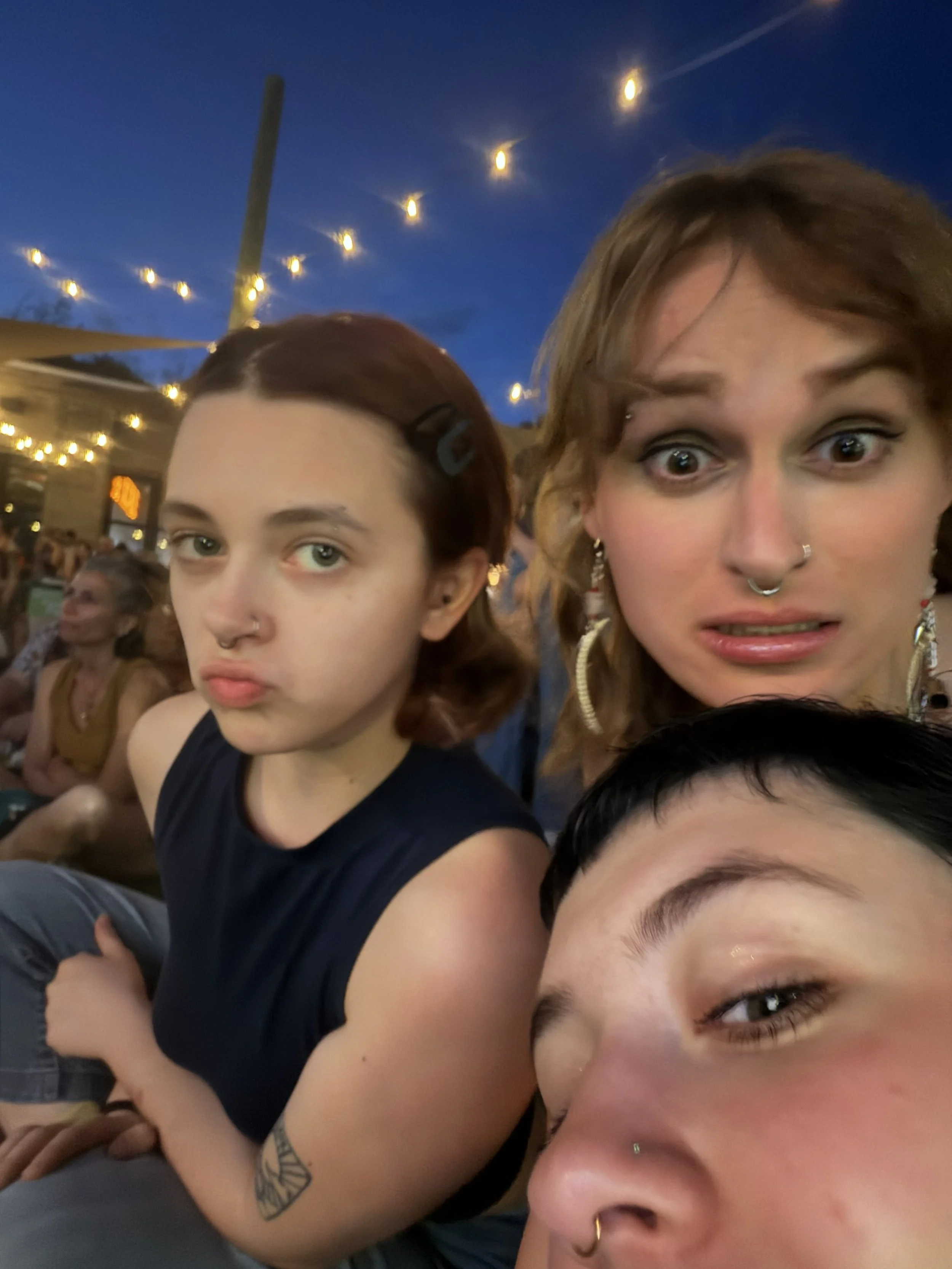
Josie and Lee Nielsen, another artist, had long circled each other musically without ever fully creating together. Now, after reconnecting in Minneapolis, they’ve begun writing songs collaboratively under the evolving project Parties With Strangers. What started as a casual songwriting session quickly revealed a chemistry neither of them expected. She describes the process less like two musicians forcing ideas together and more like discovering an already-existing current between them.
In many ways, this partnership reflects the healthiest parts of what Josie still believes music communities can offer: not networking for status, but artistic connection that genuinely expands people. That belief is why she continues investing emotionally in local scenes despite their imperfections.
When asked whether music communities truly create change or simply romanticize it, Josie lands somewhere in the middle. She acknowledges the cliques, the fragmentation, and the politics, but she also points toward artists around her, like Ross Thorn, who actively care. Seeing musicians organizing benefit projects, advocating for fairer treatment of artists, questioning platforms like Spotify, and trying to build something more sustainable than simple self-promotion instills hope in Josie that a music scene can create change.
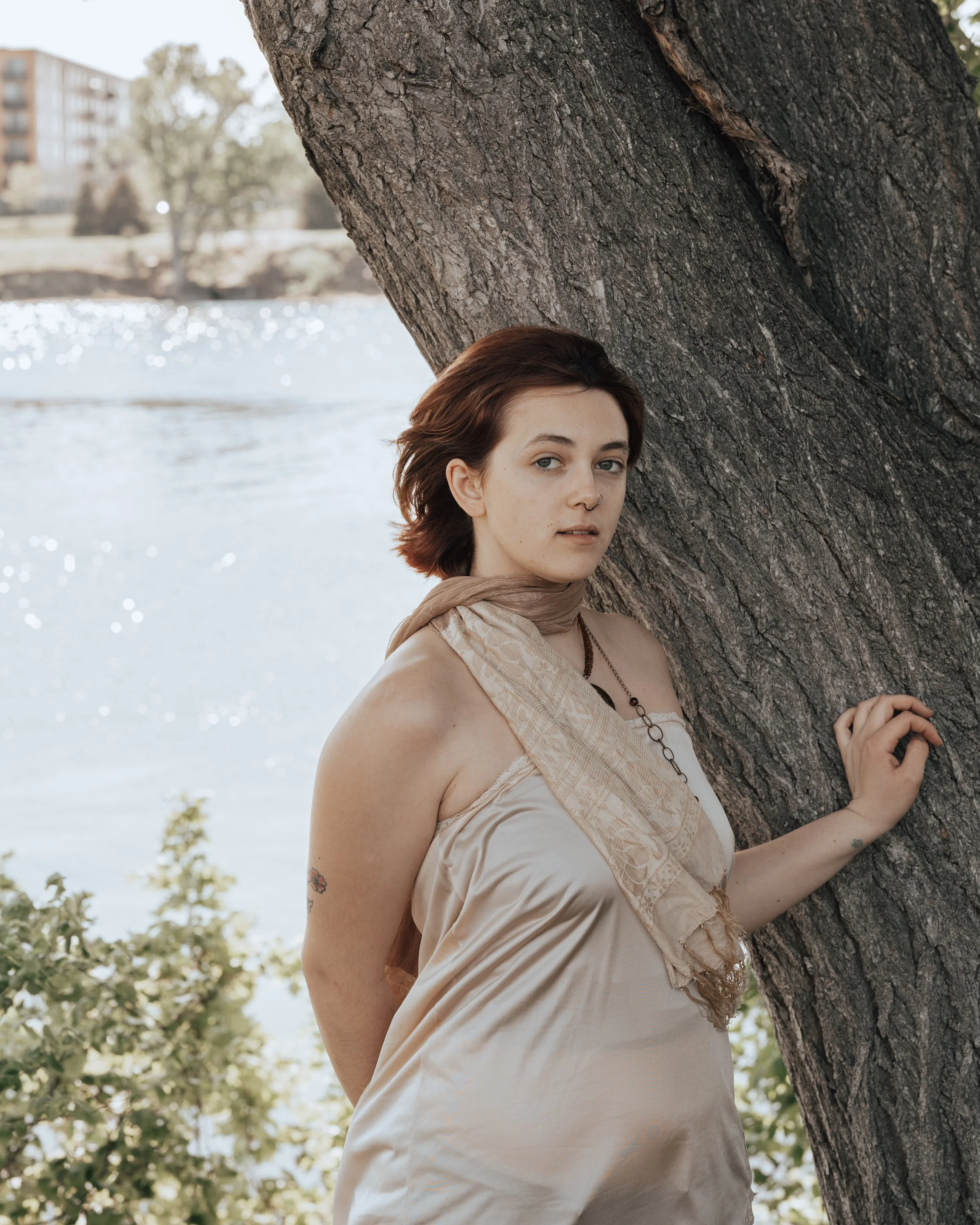
Outside of music, Josie has also been reconnecting with visual art in ways that mirror her songwriting process. Lately she’s been spending afternoons near the Mississippi River painting with friends, sitting on rocks and listening to music while the city drifts around them.
Her paintings themselves feel deeply connected to her songwriting identity. She describes creating strange creatures, chaotic bursts of color, and handwritten lyrics layered across the page, sometimes her own words, sometimes lines borrowed from songs that emotionally resonate with her. The artwork isn’t currently something she sells, but she already imagines it becoming part of future merch: handmade, imperfect, emotionally personal objects that feel closer to journal entries than products.
There’s a question I’ve been waiting to ask for the final diary entry with Josie. But something shifted in our chat that made me ask it sooner. What would Josie’s advice be to a new musician moving to Minneapolis? Her response felt surprisingly grounded. Rather than talking about strategy, branding, or rapid success, she speaks about patience.
“Don’t pressure yourself to be perfect and to have things get rolling right away. I expect a slow process, but I also feel like I had so much advice. I had so many musicians to look up to and that I knew and that have been in the scene for years. So I feel like I was really lucky and I got a lot of advice and a lot of help. But I would say take it day by day and don't expect immediate results.”
It’s advice that feels earned, especially coming from someone currently learning how to navigate burnout, uncertainty, and endurance. There’s a slow realization that becoming part of a creative community often happens in fragments like canceled shows, late-night songwriting sessions, outdoor festivals, conversations between friends, and finding little moments of belonging before fully understanding where you fit into the picture.

About the Author & Photographer

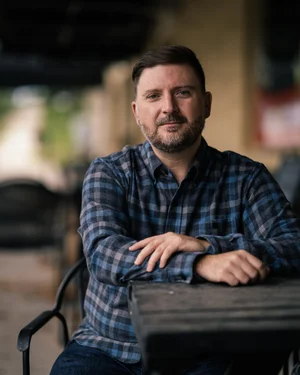
Tom Smouse. Photo Credit: Chris Taylor.
Tom Smouse is an innovative collaborator with 20 years of experience in the Minnesota music industry. As a professional photographer, podcaster, and music journalist, sharing stories from the community remains his core passion. When not at a show you can find him at a record store.