Josie Langhorst: Diary of a Minnesota Musician, Chapter 4

This is a year-long series following Josie Langhorst, a Minnesota artist new to the Twin Cities, as she shares her experiences entering the scene and making music in a new environment.
November to mid-December 2025
When Josie Langhorst talks about her life right now, she doesn’t frame it as a big leap or a dramatic reinvention. It’s more like she’s quietly settling into normal. Four months into her move from Duluth to the Twin Cities, she’s discovering that belonging isn’t something you stumble into all at once, it’s something you build, piece by piece, person by person, through routines, relationships, and the courage to keep showing up. One of the first places that’s given her the sense of gaining a foothold isn’t a music venue or a studio, but a school.
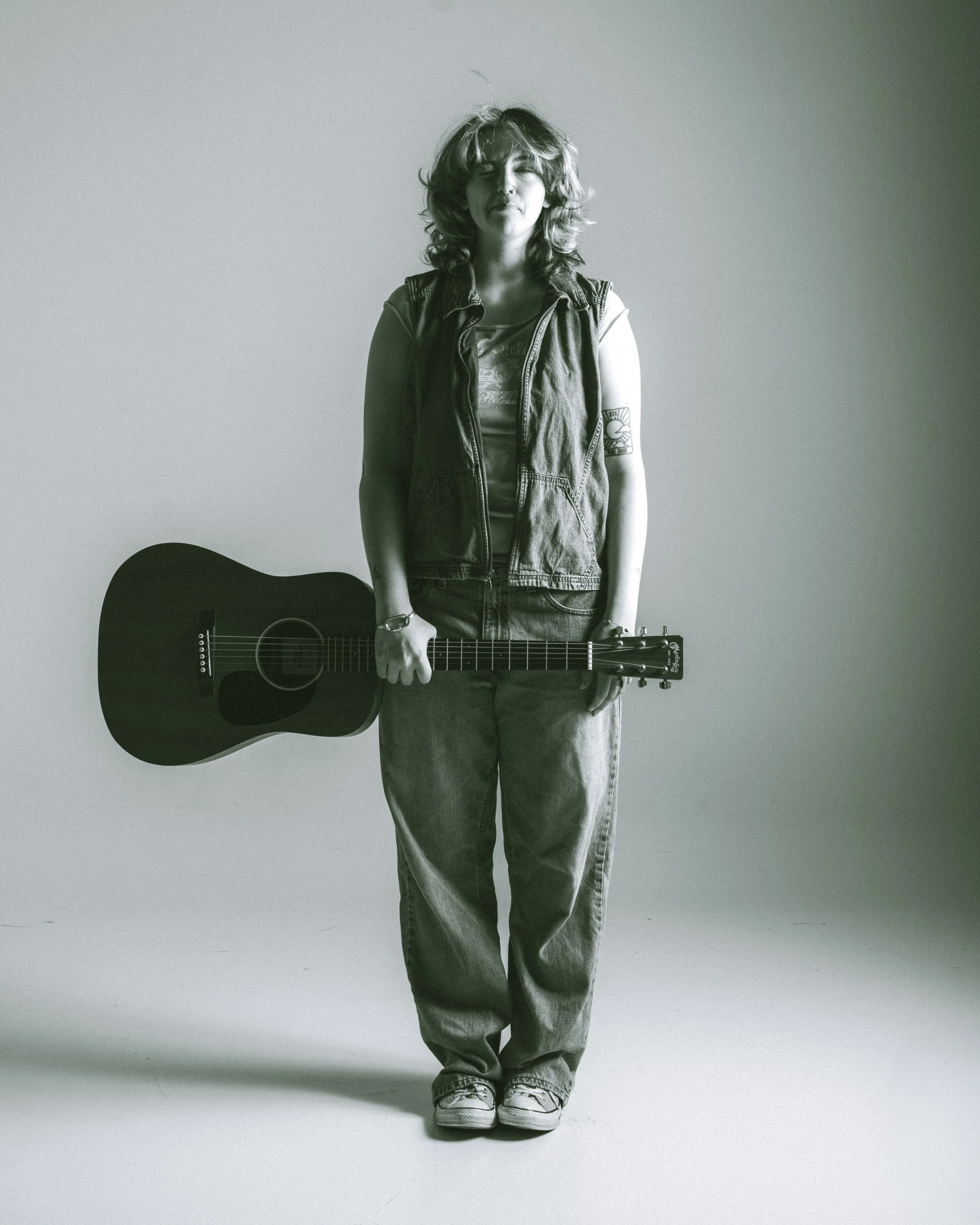
After working through Zen Educate, an organization that places staff in classrooms across Minneapolis, Josie found herself repeatedly called back to the same school in Columbia Heights. After subbing there for a couple of weeks, she took a chance and asked if she could stay. Now officially employed as an Educational Assistant, she spends her days supporting a teacher and working closely with students who need a little extra help navigating the day.
The role feels natural; working with kids has been a theme since she was a teenager teaching cheerleading. Josie finds it grounding to be needed in a tangible way. The job has helped steady the rhythm of her days without dulling her creativity. “I feel like I just found my thing,” she says.
Learning How to Belong
Stepping into the Twin Cities music scene hasn’t fallen into place as easily as her day job—or as it did being an artist in Duluth, where a close-knit music scene did a lot of the work for her and opportunities often came through proximity. Minneapolis is bigger, more spread out, and it’s harder to engage with the right people. For a while Josie felt like she was watching everything happen from the outside, unsure of where—or how—to get started.
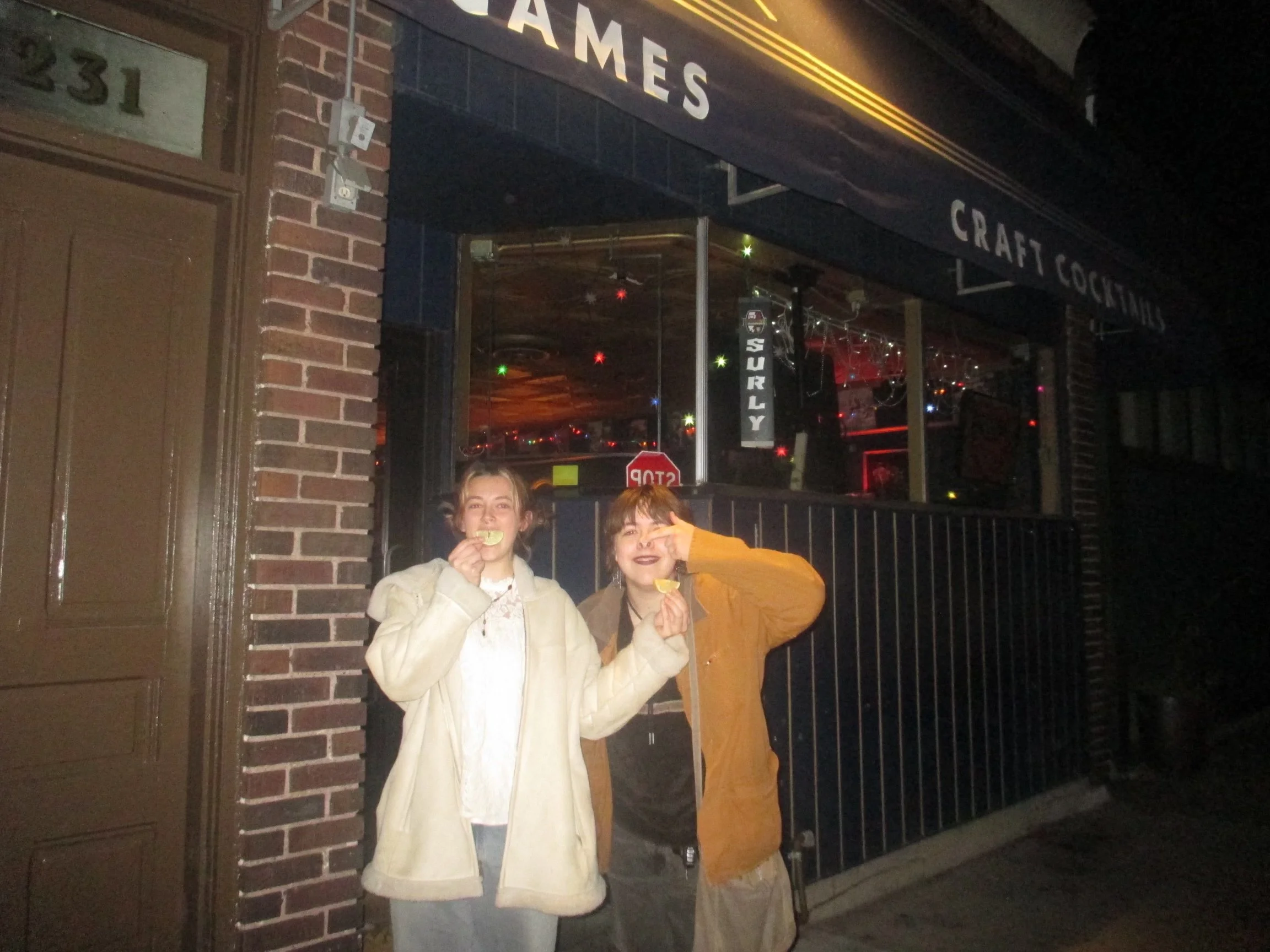
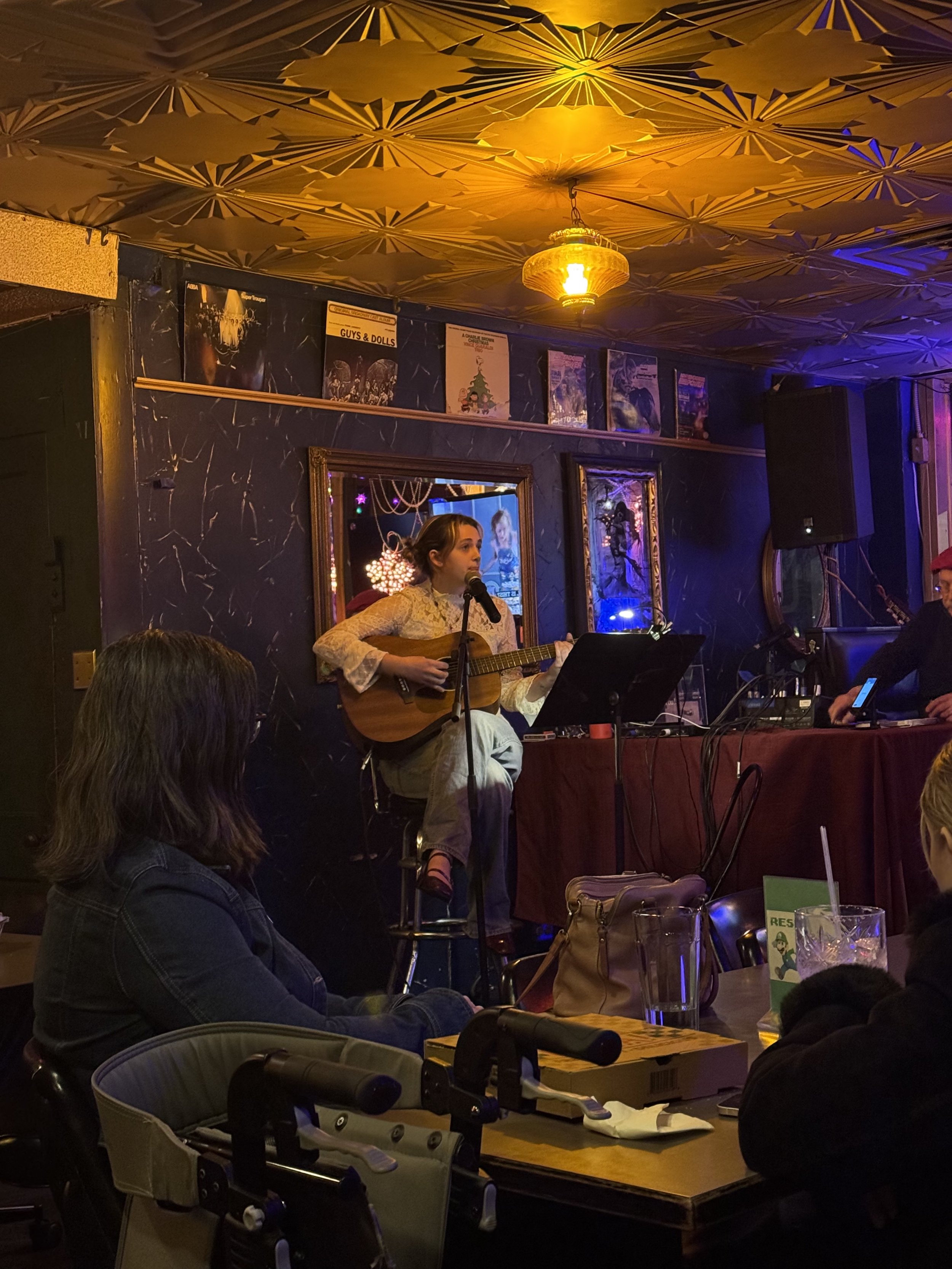
That feeling began to shift the night she played her first open mic in the city at the Chatterbox Pub.
Before she went onstage, Josie was filled with nervous energy. This wasn’t a room filled with friends or familiar Duluth musicians. These were strangers and other artists with their own songs and their own reasons for being there. Once she started playing, something loosened up. And when she stepped offstage, the conversations that followed reaffirmed her efforts.
People didn’t just offer polite compliments. Other musicians wanted to talk about her songs, about the artists she covered, about where she played and what she was working on. There was a shared language and sense of mutual understanding that felt deeper and more personal than surface-level praise. These moments, although short and sweet, are rooted in a shared creativity. And moments like that are what make the Cities feel a little smaller.
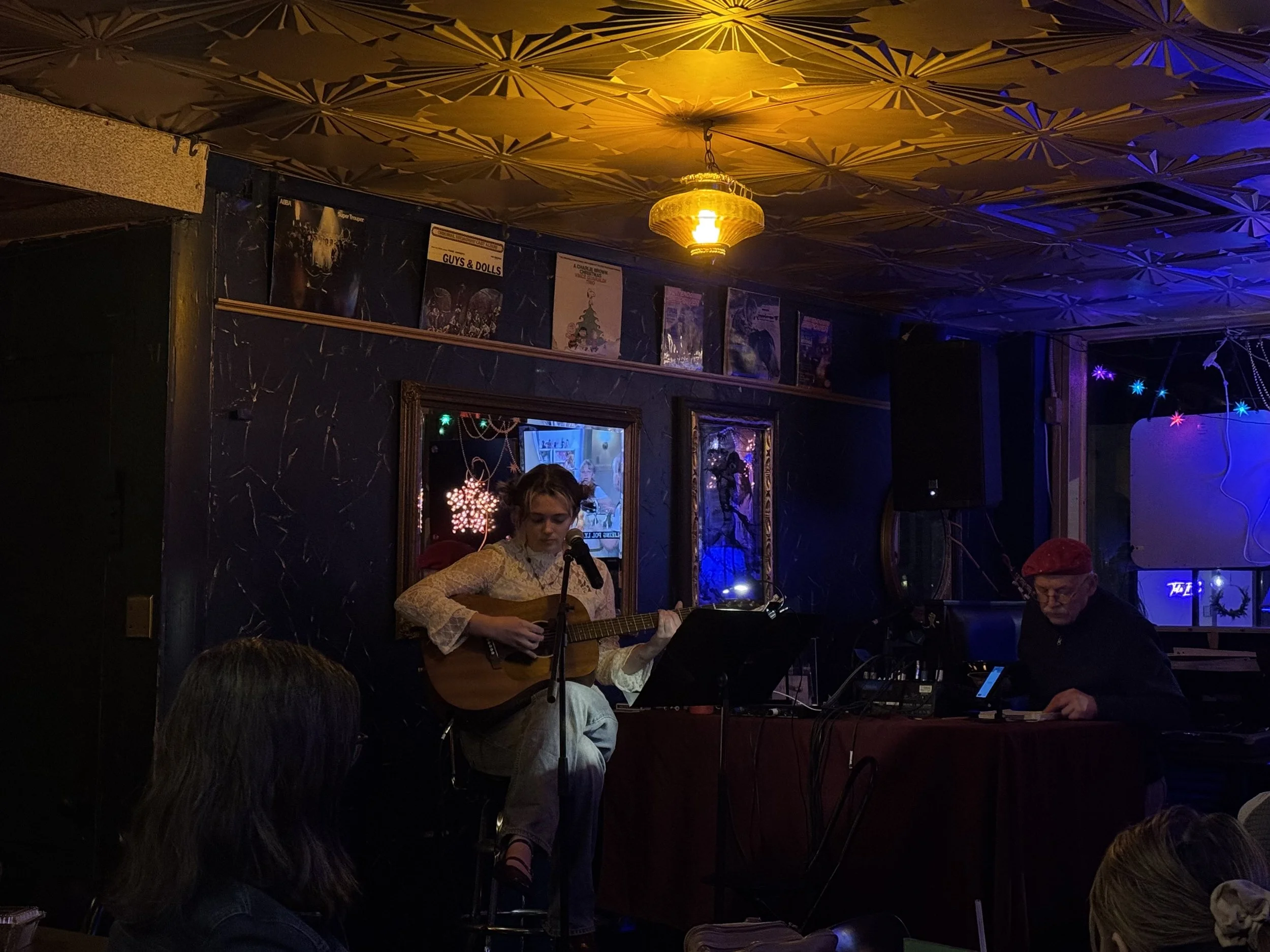
“The announcer for the open mic was so nice and so welcoming. And after I got off stage, he was like, well, ‘that's the last time you're going to hear that for free.’ That made me chuckle.”
Josie is learning that connection here takes intention. You can’t wait for opportunities to find you. You send emails. You ask questions. You follow up. Friends have helped by sharing venue lists and resources, but she knows the responsibility ultimately rests with her. Early conversations with established artists like Ross Thorn and Siri Undlin reinforced the same lesson: you have to put yourself out there, even when it feels uncomfortable.
Also, with a newly upgraded home recording setup, Josie has started capturing ideas in a way that feels freer and more forgiving. Sometimes it’s about layering vocals or experimenting with guitar parts. Other times, it’s simply pressing Record and letting something unfold without expectation. There’s comfort in knowing ideas don’t have to be perfect to be worth keeping and relief in hearing them back without the grainy filter of a phone recording.
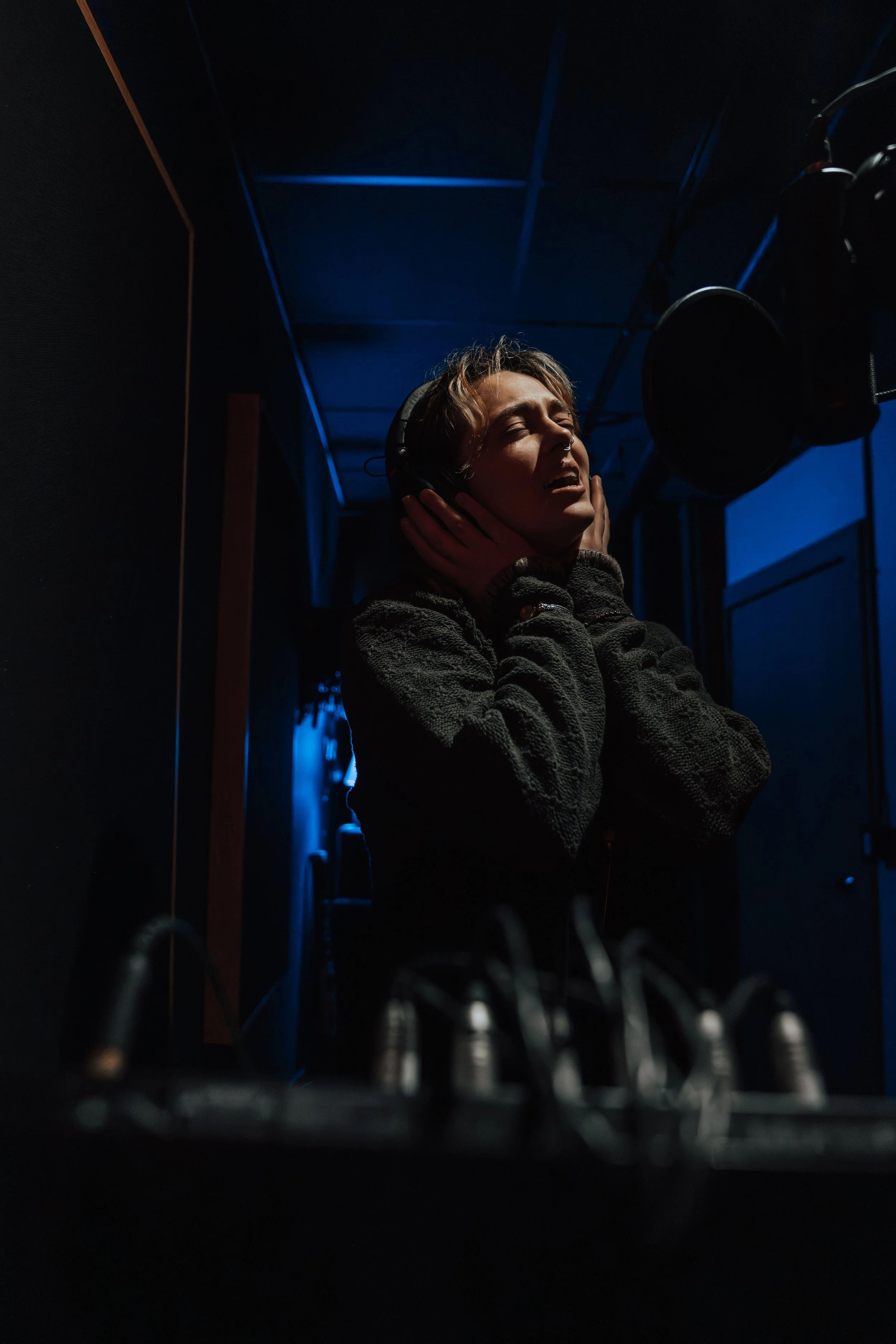
That freedom is deeply connected to Deer Park, her debut album, which arrived quietly but meaningfully just weeks ago.
Named after the road she grew up on, Deer Park is anchored in nostalgia and place. Every song was written during the same chapter of her life, in the same home, before the move to Minneapolis. For Langhorst, the album isn’t just a release but a way of honoring a version of herself and the environment that shaped her songwriting. “Those songs were born there,” she says, describing the album as both healing and grounding.
The response to the album has been overwhelmingly supportive. Messages poured in from friends and family. Listeners shared the record online. A fellow musician even told her that people were requesting Deer Park on the radio. Seeing her songs show up in others’ Spotify Wrapped lists felt surreal but proof that her music had found a home in other people’s lives.
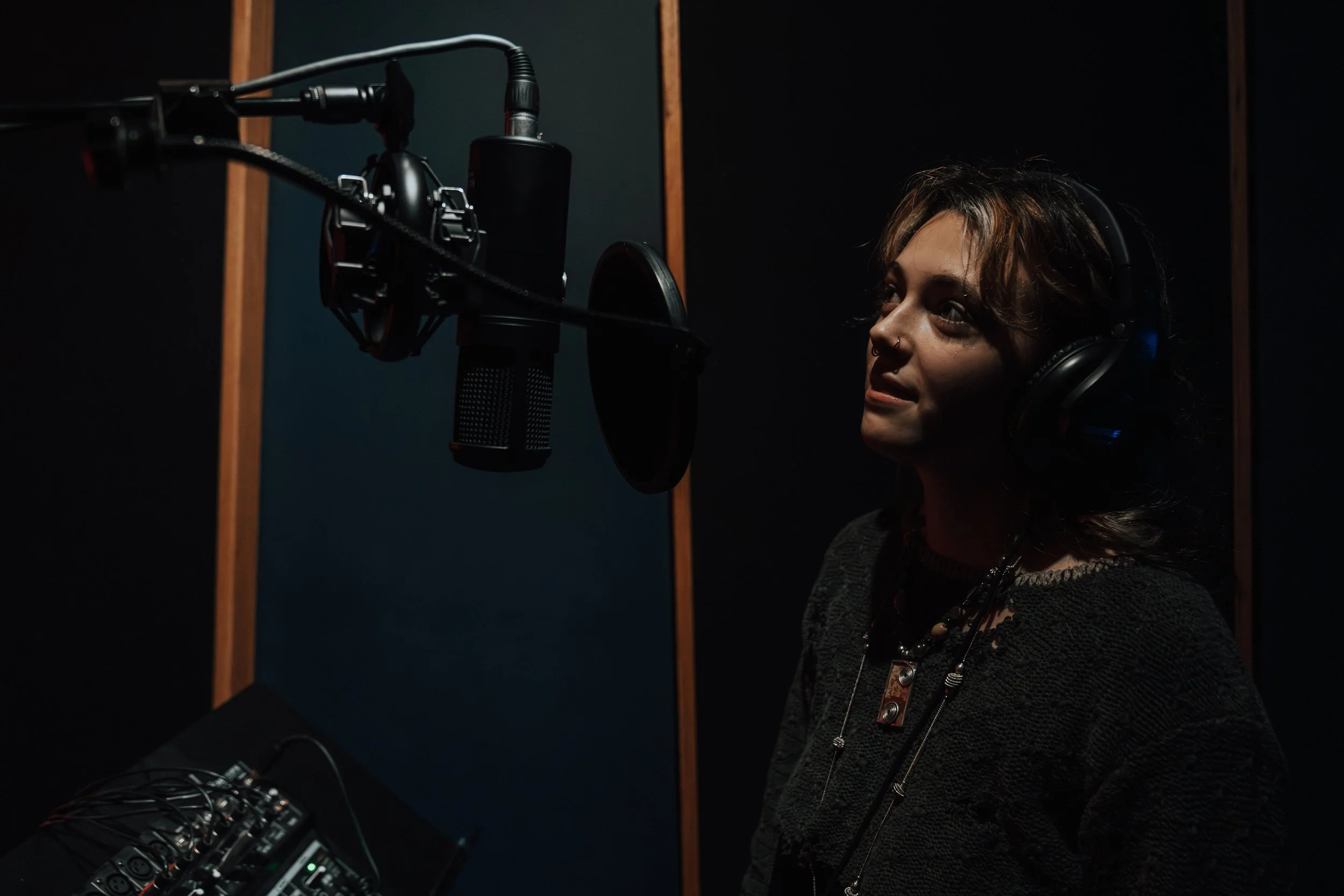
Still, vulnerability crept in the moment the album went live and panic set in. She fixated on details like a misplaced image and the wrong version of a track uploaded. (There’s live drums on “Don’t Take It Lightly,” but it has the backing track on the album currently.) Josie wanted to take it all down. It took reassurance from her girlfriend to slow down and breathe. The imperfections didn’t erase the honesty of the work. If anything, they made it more human.
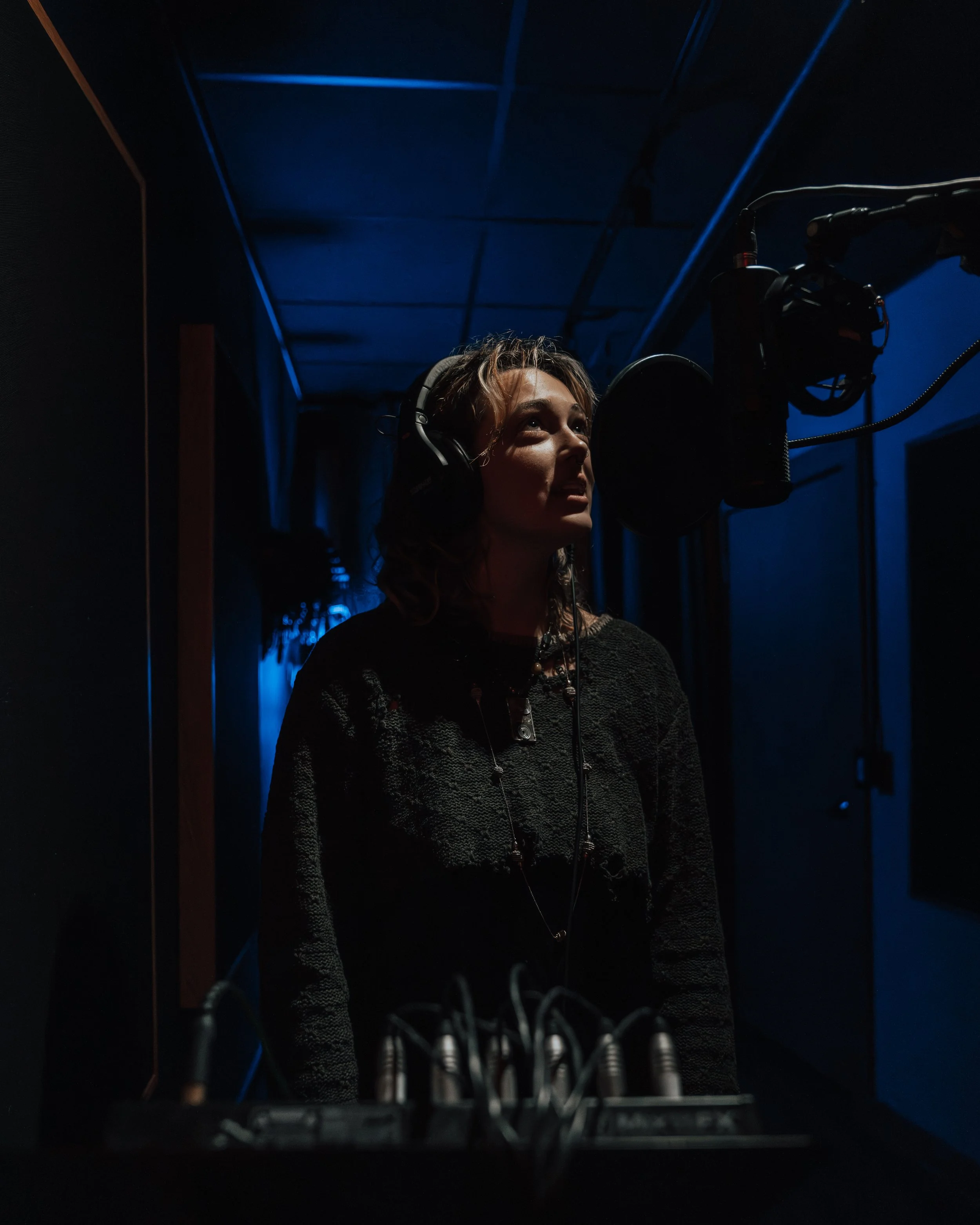
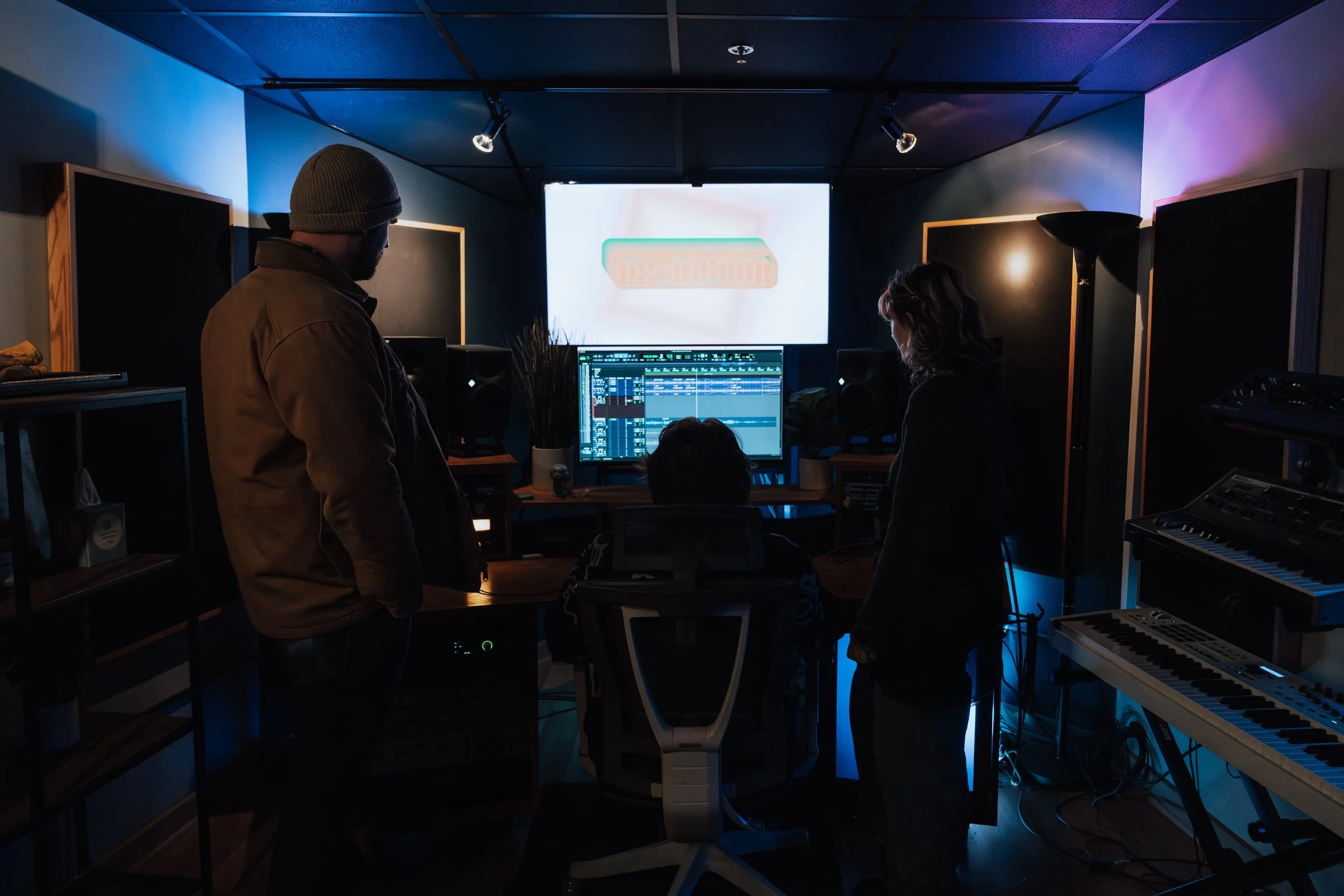
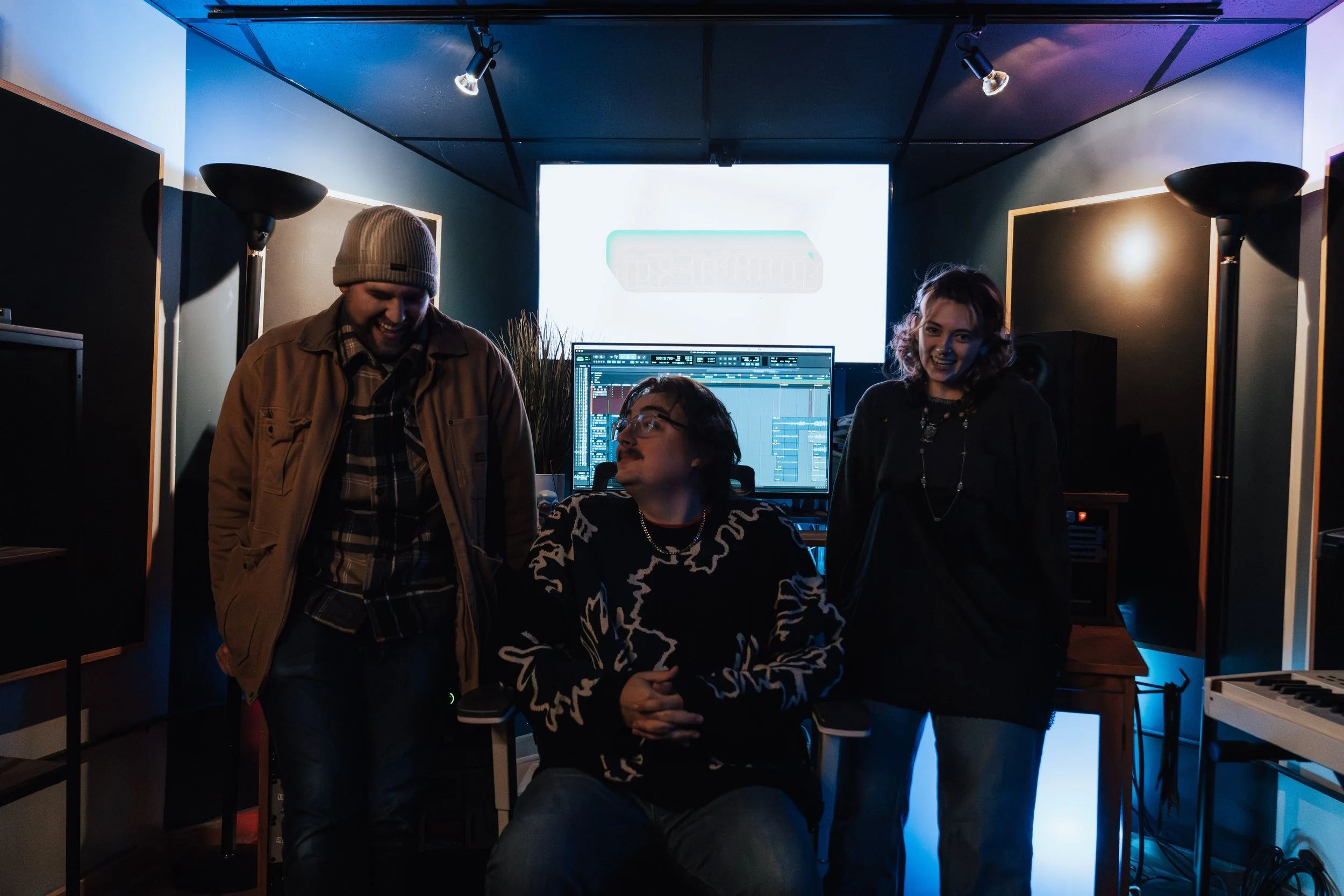
Another recording opportunity fell into Josie’s lap this past month: Duluth musician Grant Glad asked her to join him and engineer/producer Hunter Hawthorne in the studio to add vocals to one of his upcoming songs. Josie says he asked if she could “great gig in the sky” the song for him, referring to singer Clare Torrey’s legendary wordless vocal improv on the Pink Floyd track.
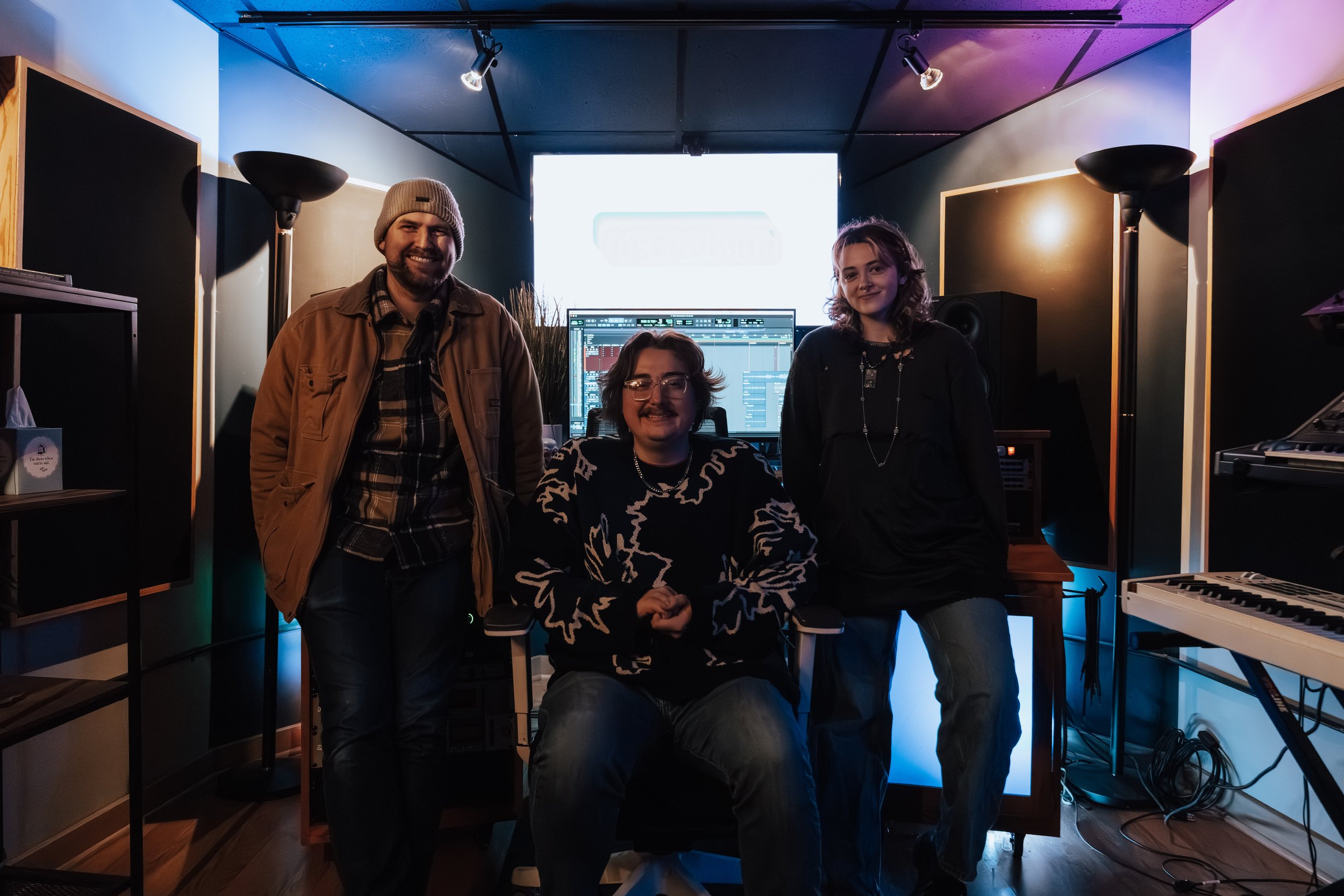
Glad shared the unreleased track, “Masterpiece,” a nearly 12-minute spoken word exploration of ideas on the different ways people search for achievement and recognition; the unstoppable march of time, made more relentless by capitalism; and the ephemeral nature of existence. The instrumental backing simmers and broods, matching Glad’s shifting tone of weariness, anger and despair. The song reflects the dark side of trying to make it as an artist (or even just a human being), and Josie embraces the perspective in her performance. About nine minutes in, her voice slowly takes over, making some of his words (“just a couple of days / just a couple of goddamn days”) into a refrain that builds from a murmur to a wail, subsiding into a defeated whisper.
Josie doesn’t claim to have it all figured out yet. She’s still learning how to navigate rooms, how to start conversations, how to ask for space in a scene that can feel intimidating. But she’s no longer standing still. Between the classroom, the stage, the new album and the songs she’s continuing to write, she’s carving out a place that feels increasingly her own.
For Josie, being a Minnesota musician isn’t just about belonging, it’s about becoming. And she’s doing it one honest moment at a time.
About the Author & Photographer

Tom Smouse. Photo Credit: Chris Taylor.
Tom Smouse is an innovative collaborator with 20 years of experience in the Minnesota music industry. As a professional photographer, podcaster, and music journalist, sharing stories from the community remains his core passion. When not at a show you can find him at a record store.