Artist Interview: Q&A With Jake La Botz About His New Book
The St. Paul-based blues-Americana artist tells us about his upcoming debut book, Your Place in This World.
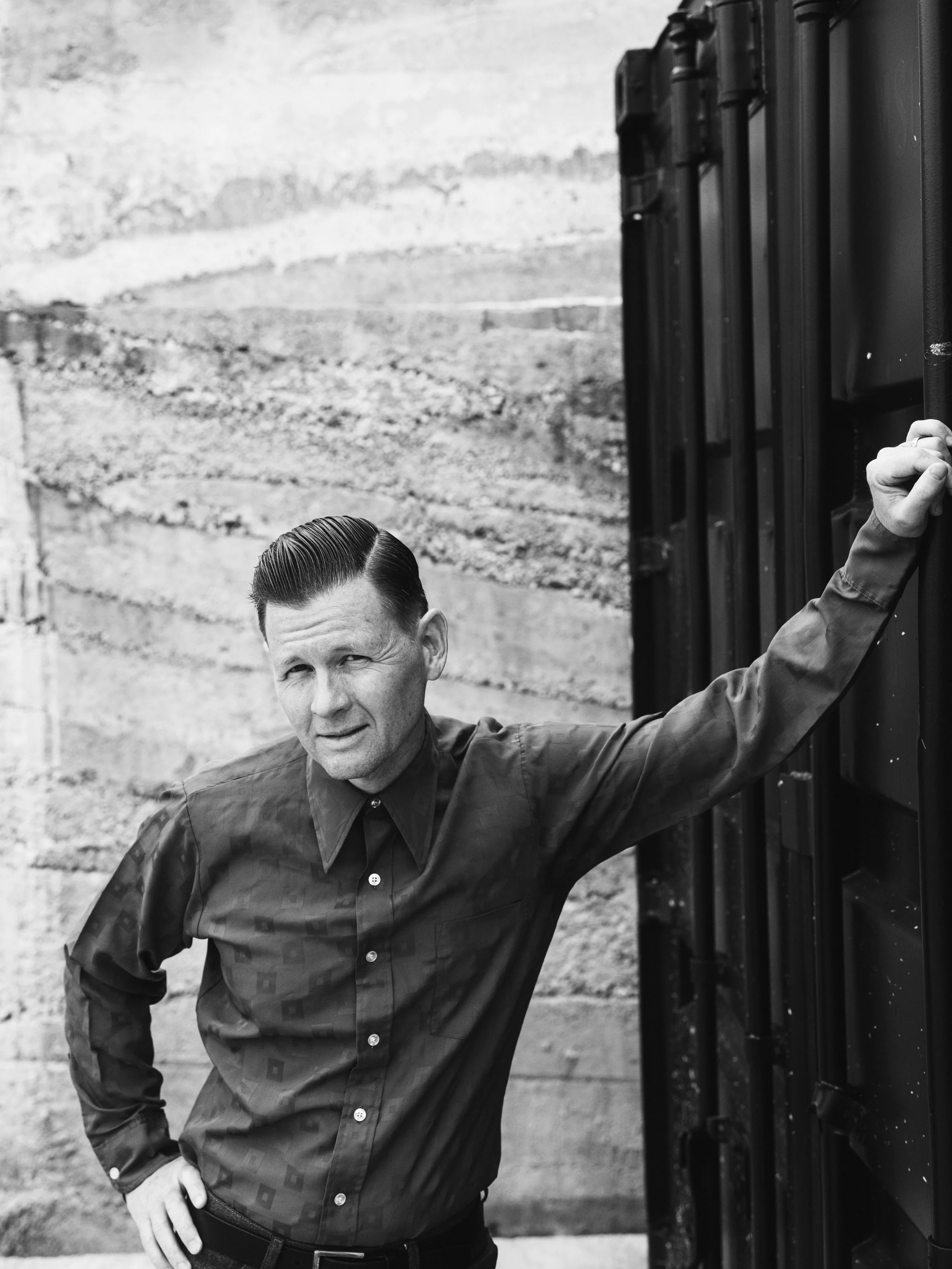
Jake La Botz. Photo credit: Joshua Black Wilkins.
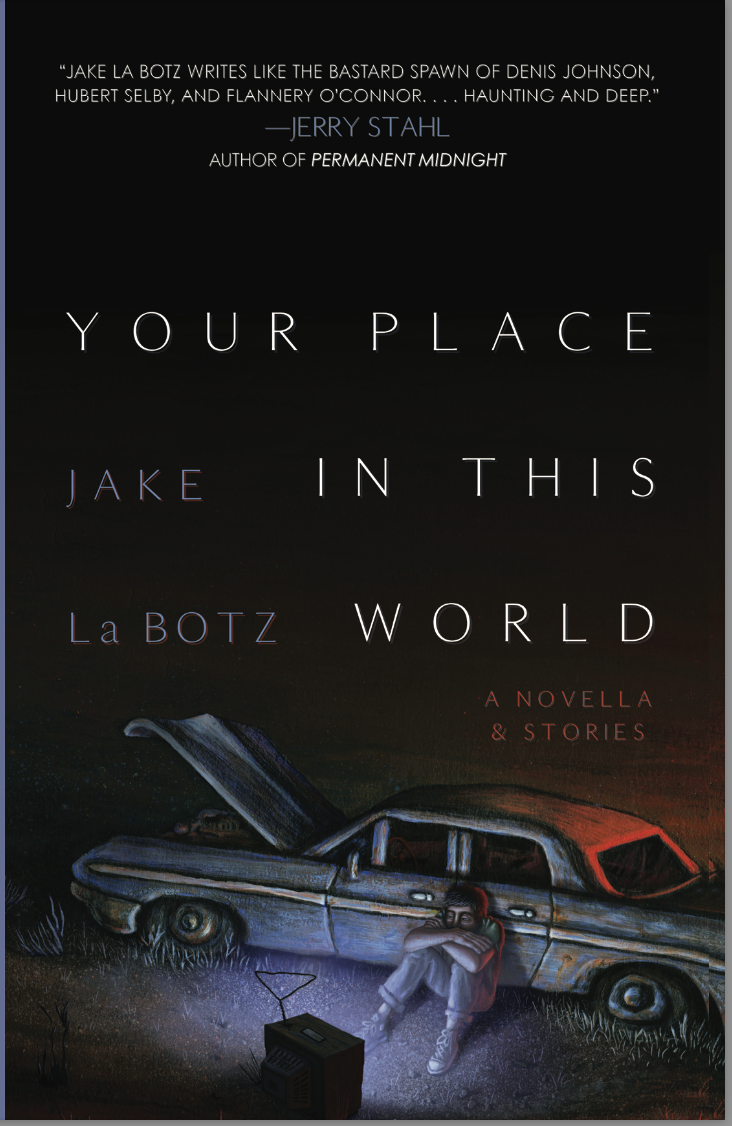
Jake La Botz is and has been many things—singer, songwriter, guitarist, meditation teacher, actor of stage and screen, stay-at-home dad and, most recently, author! His first book comes out April 21, 2026, published via University of Wisconsin's Cornerstone Press Legacy Series.
Your Place in This World consists of a novella of the same name as well as a collection of short stories. Fans of his music will find many intriguing echoes of places and themes found in his songs, including the fabled Chicago blues mecca Maxwell Street, and characters similar to those we’ve encountered in his music, such as prewar bluesmen from the South, junkies, thieves, ex-cons, artists and lovers.
Fans of music in general may also appreciate the collection, namely the novella—which centers on a kid with a troubled home life fixating on a somewhat otherworldly blues singer—and the final story of the collection, about the discovery of a microphone with a connection to Hank Williams Sr.
The sometimes disorienting but always engrossing book can take you from gritty streets and dusty backroads, church basements and walkup apartments, morgues and malls, to liminal spaces that verge on the surreal and supernatural—the spirit plane, maybe?—at any moment. Get comfortable in what you think is the widely accepted version of reality at your own risk, because you’re about to be transported elsewhere whether you’re ready or not. But do read this book—it’s excellent.
We sat down with La Botz to talk about his forthcoming literary debut, and how it was influenced by his fascinating multifaceted career.
Carol Roth: When did you make the move from songwriting into writing prose? What prompted it?
Jake La Botz: During the pandemic I wrote a memoir—to see if I could take on writing as a discipline, to find out if I was any good at it. I wasn’t particularly good at it, but I found that having time off the road, I could sit and write a few hours a day.
Then, when my wife Annika became pregnant with our daughter in 2022, I decided to try my hand at fiction. As I was about to become a stay-at-home dad, my thinking was that I’d better find a new creative outlet, a solitary and portable one, to keep myself engaged as an artist. And so I wrote a novel during the pregnancy. It wasn’t particularly good either, but the discipline of writing became part of me.
CR: Do you remember the first story you wrote? Is it in this collection?
JLB: Yeah, so I sent my not-so-great novel around to a few people, including some writer friends, and got feedback about where it’d gone off track/where things didn’t add up. I bagged the novel and decided to start over. I also decided to try working within a smaller framework. Like “hey, you don’t have to go from 3-minute song to 300-page book straight away.”
The thing was, there were chapters of the novel that had some good stuff that could be used for short stories, so I started picking the carcass, digging for anything worth anything. A few chapters of the novella Your Place in This World (the first half of my book) were Frankensteined from the dead novel.
CR: Is your process of getting into a story different from writing song lyrics?
JLB: For sure. I find it easier to start a story. I just write down a scene and see where, if anywhere, it wants to go. Though without a melody to hold it down, I have to rely on the syncopation of words and sentences and the space between them to make a rhythm. So prose is more difficult for me in that sense. Still, I think I’m more of a perfectionist with songwriting—like the words, emotions, and music have to match just right or it’s not worth it.
CR: How different is the “business” side of fiction writing/publishing vs. how you navigate the music industry?
JLB: It’s much more difficult to earn money with prose (writing is definitely at the bottom of the art-for-money hierarchy)—which is funny to say, considering how low-paying music is. On the other hand, I was able to secure a publisher (Univ. of Wis. Cornerstone Press) for my first book easier than finding a record label to release a record (I released my last album, Hair on Fire, myself). That may be a fluke though. It seems quite hard to get a book published by a traditional press (i.e. not vanity, hybrid or self-publishing).
CR: This collection runs the gamut of reality-grounded to surrealism and magical realism, from more emotional and tender to gritty and sometimes shocking. Can you talk about how you think about it and maybe how you hope readers experience it or what they come away with?
JLB: I think for an artist, inner-world experiences—dreams, intuitions, insights about reality birthing from stillness, the discovery of interconnectedness between thing—are as important as the outer-world ones (so-called “reality-grounded” ones). I believe art has the possibility of taking us beyond our assumptions about reality. Though I’m not a particularly great artist, I hope to do a little of this. Mostly, I hope people find the book entertaining. Maybe it can also be inner world-provoking, art-provoking.
CR: Are there any other writing forms you’re thinking about or currently practicing?
JLB: I was recently asked to write an essay about rejection and revision for a lit mag. That’s gotten me leaning back into creative nonfiction. I plan to hash out some of my memoir for publication at some point.
CR: Do you have readings or other events scheduled for this publication?
JLB: Yes! The Tattoo Across the Globe Tour. I’ll be playing and reading at tattoo shops and other venues in the U.S. and Europe. The local book release will be held at The Dubliner in St. Paul on May 3rd.
CR: What’s a book or story (recent or past) that you liked so much you wish you’d written it?
JLB: I’ve definitely heard songs I’d wished I’d written (see below), but haven’t had that experience with literature. Mostly, when I read a great writer, I just think, “jeez, I’ll never be able to do that.”
CR: Got any in-progress works or upcoming publications we should know about?
JLB: I have a second fiction collection that should be released next year. It’s a book about the pitfalls of making music. I also have a novel finished that I’m starting to send around.
CR: One more request before you go! Could you give us a playlist of music—your own and other artists’—to go along with your book?
JLB: Mine: “Lost Child,” “The Devil Lives in My Throat,” “Broken Birds," “Everybody got to Fall Down,” "Getting Closer,” “Grace of the Leaves,” “Feel No Pain,” “Snow Angel.” Others: “Perfect Day" - Lou Reed, “I’m Blue as a Man Can Be” - Robert Pete Williams, “Ballad of a Thin Man”- Bob Dylan, “Whole Wide World” - Wreckless Eric, “Dark End of the Street” - James Carr, “I’ll Never Get Out of This World Alive” - Hank Williams, “I’m So Glad” - Skip James, “The Hangman” - John Jacob Niles.
ABOUT THE AUTHOR
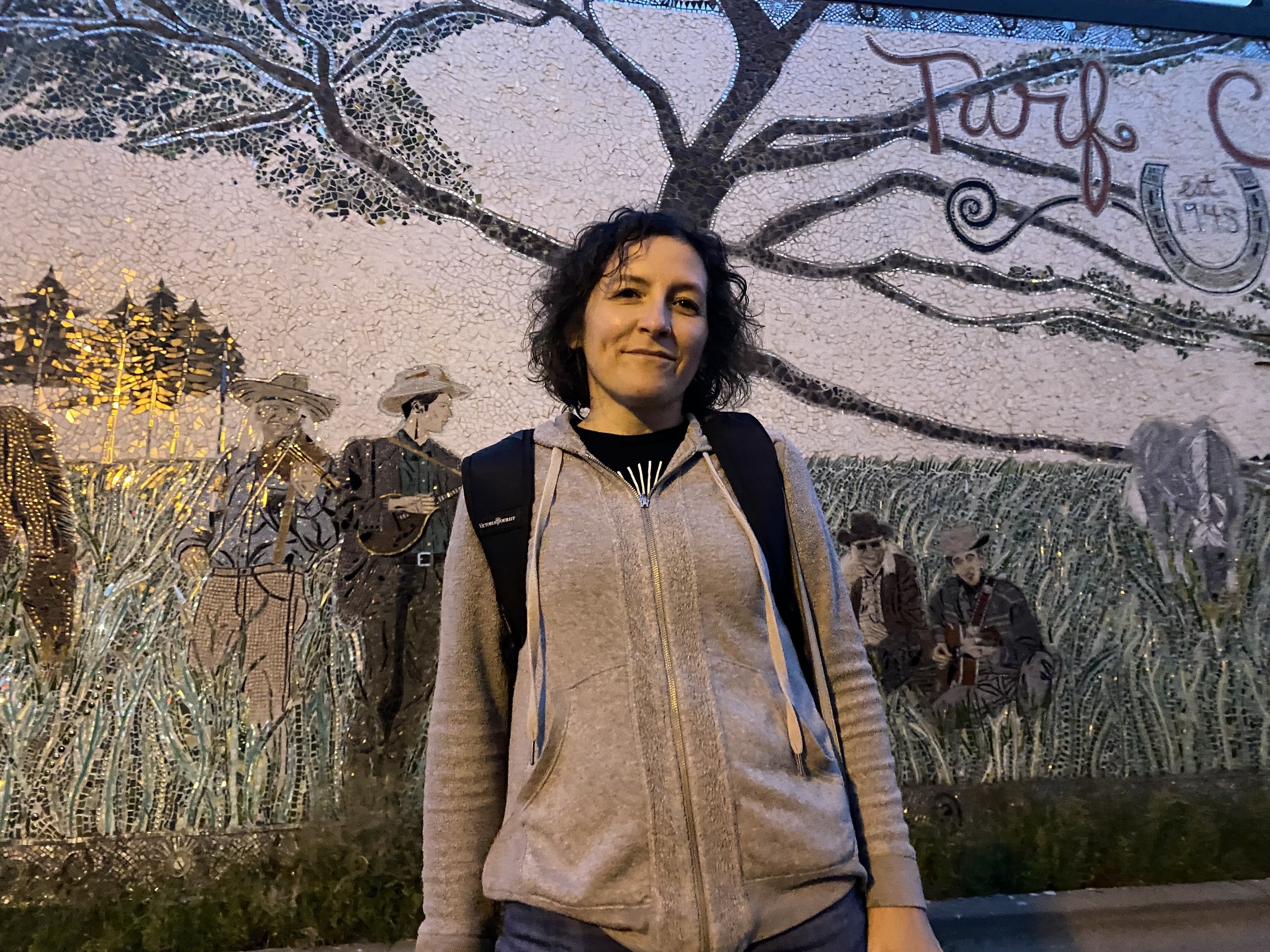
Carol Roth. Photo credit: Dan Lee.
Adventures in Americana co-founder Carol Roth is a novelist who publishes both under her name and the pseudonym T.A. Berkeley in a range of genres, from horror to thriller to YA. She loves to play guitar and sing and occasionally write songs. Her wide-ranging passions also include vegan cooking, personal finance, watching queer romance TV/movies and learning to speak Thai. By day she’s a marketing writer/brand strategist.